The Virginia House of Burgesses
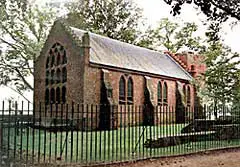
Although the first session was cut short because of an outbreak of malaria, the House of Burgesses soon became a symbol of representative government. The 22 members of the House of Burgesses were elected by the colony as a whole, or actually men over 17 who also owned land. Royally appointed councillors (of which there were usually six) and governor rounded out the legislature. The governor was originally appointed by the Virginia Colony and later by the Crown.
Through the years leading up to the Revolutionary War, many leaders of the move toward independence made their names in the House of Burgesses. Patrick Henry introduced seven resolutions against the Stamp Act there in 1765. The fact that the burgesses could make their own laws was very much on the mind of many people in the American colonies, especially when Great Britain continued to pass harsh laws that the colonists viewed as "taxation without representation." Famous burgesses also included George Washington and Thomas Jefferson.
|
Social Studies for Kids |



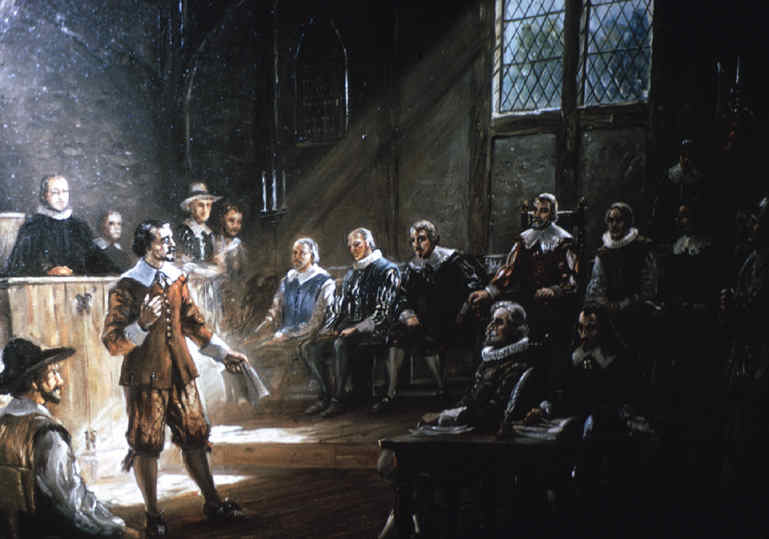 The House of Burgesses, which met at first only once a year, could make laws, which could be vetoed by the governor or the directors of the Virginia Company. This continued to be the standard until 1624, when Virginia became a royal colony. At this time, England took much more control of things in Virginia, restricting the powers of the House of Burgesses.