|
Iraq Funds New Effort to Restore Famed Ziggurat of Ur
May 15, 2026
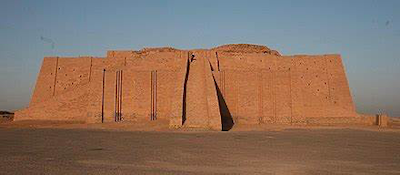
The Iraqi government has poured money into a project to help preserve the Ziggurat of Ur, a UNESCO World Heritage Site and one of the enduring symbols of a long-ago civilization. Ur is one of the oldest cities in the world, created and first inhabited nearly 6,000 years ago in the lands of ancient Sumeria, during the reign of King Ur-Nammu. They built the ziggurat in the 21st Century BCE, using mudbrick and bitumen. It was 210 feet long, 148 feet wide, and nearly 100 feet tall and intended as a means of worshiping the moon good Nanna, the patron deity of the city. A ziggurat was particular to the ancient civilizations in this part of the world. It was a stepped temple the shape of which resembled some of the early pyramids of ancient Egypt. A ziggurat would commonly be part of a temple complex, not a standalone building.
Those doing the preservation work are using new materials that incorporate chemical materials and physical properties of samples of the existing building. It is the third such restoration of the famed structure. Undertaking the first was King Nabonidus, who ruled in the 6th Century BCE. Spearheading the second was Saddam Hussein, who was head of the government of Iraq in the late 20th Century. |
Social Studies for Kids |






Social Studies for Kids
copyright 2002–2026
David White