

February 4, 2013
|
Canada Takes Penny Out of Circulation |
||
Punctuated by events such as the sinking of the USS Maine and the charge of the "Rough Riders" up San Juan Hill (led by Teddy Roosevelt), the Spanish-American War was, in effect, a changing of the guard in world politics. Find out more about the Spanish colonies, the American desire for expansion, and how a dispute over Cuban sovereignty turned into a war spread out across thousands of miles. |
||

Chinese New Year |
First Teddy Bear Introduced in U.S. The story involves German manufacturers, American businessmen, and President Teddy Roosevelt. The Debut of Tennis's Davis Cup
|
|
  Where Is That? Where Is That?The great folks at FunBrain bring you this exciting challenge of your knowledge of U.S. states and capitals, countries of the world, maps of the world, and much more. | ||

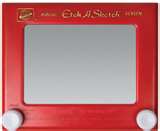 Etch-a-Sketch Inventor Dies
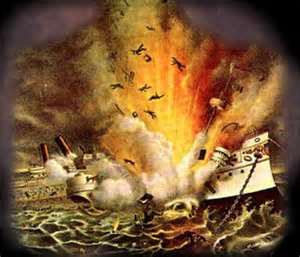 The Spanish-American War was a military clash between two countries with competing visions of expansion. A four-month struggle, it resulted in a further disappearance of Spanish influence in the Western Hemisphere and a wider influence for the United States in both the Caribbean and the Pacific.
 Chinese New Year is both the first day of a new year and a 15-day celebration of what is hoped to be good times ahead. It is celebrated in China, of course; but major celebrations take place in other countries as well. The Chinese calendar is based on the movements of the Moon and the Sun, not necessarily on the Western Calendar, so the New Year isn't the same day on the Western Calendar every year. Find out more about people celebrate, including the special
 The teddy bear as we know it has been around only since the early part of the 20th Century. And, as with other famous inventions (like the telephone), it was a shared process.
 It was the brainchild of Dwight Davis, a Harvard tennis player who followed up initial success of and enthusiasm for a Harvard-West Coast "national" competition with a proposal to the U.K. for an "international" event. With $750 of his own money spent on an elegant silver trophy bowl, Davis had his matchup.